
Street-Level Problem: When Big Arrays Get Clunky
I remember a scorched June morning on a Phoenix rooftop in 2019, me and the crew squinting at twelve PV strings feeding a ragged 500 kW array—real talk, it looked like a traffic jam of wires. Back then I asked a blunt question: we had a scenario (rooftop install), data (12 PV strings, 500 kW peak) — can a modular inverter scale that cleanly without service drama? That’s where the modular inverter system first jumped into my notes (no cap).
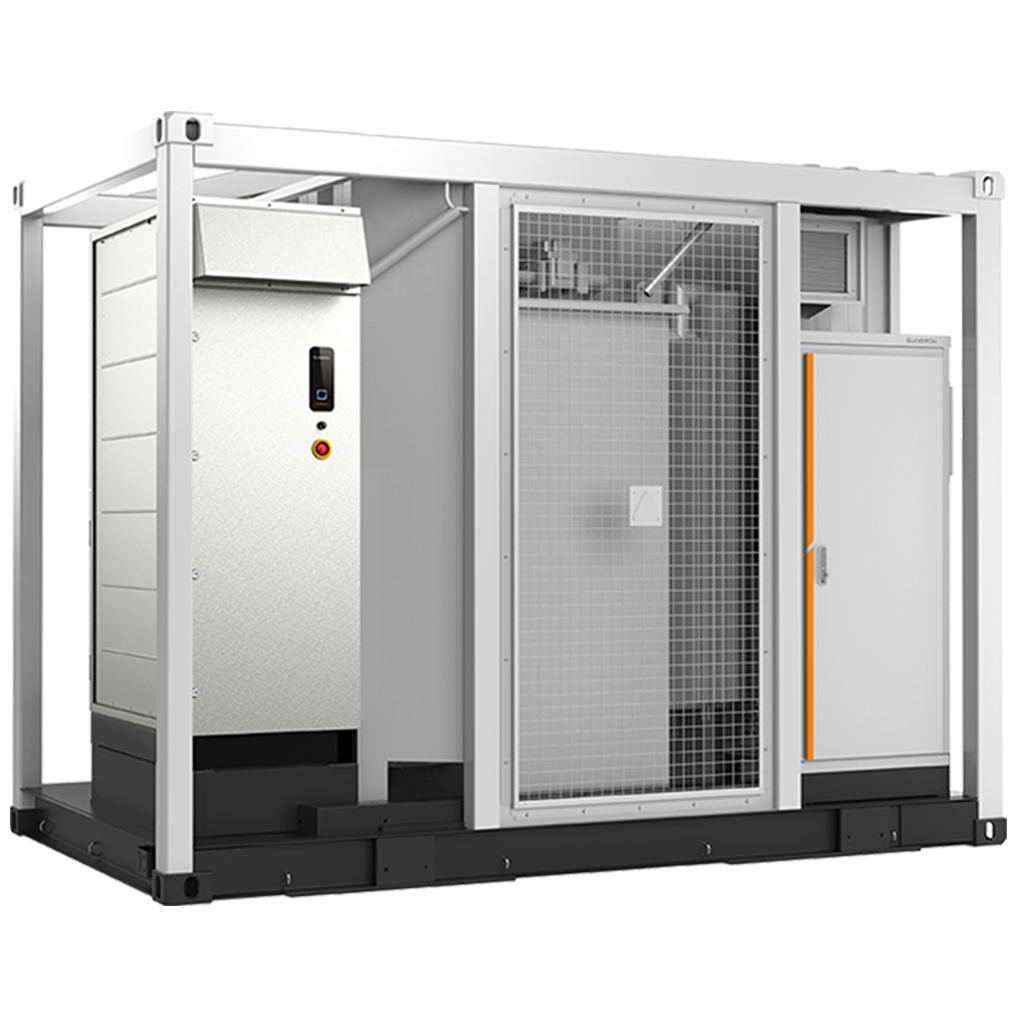
I’ve been in this game over 16 years; I’ve seen central inverters choke on partial failures, MPPT channels get overloaded, and maintenance windows drag into full weekends. The classic centralized inverter approach pins all operations to a single inverter topology and DC bus — so when one component goes south you often pull the whole string offline. I vividly recall a July 2020 retrofit in Austin: one failed power stage took down 40% of production for three days. That quantifiable hit (40% loss, 72 hours) changed how I evaluate risk. What bugs me most is not just downtime — it’s the hidden labor, duplicate spare parts, and the headaches of scaling.
Where’s the real pain?
Look — the pain lives in brittle single points of failure, messy commissioning, and a service model that treats maintenance like an emergency (instead of routine). Those flaws push owners toward over-sized redundancy and cost bloat. Next up I’ll show how modular designs flip that script.
Comparative Perspective: Simple Blocks vs. Heavy Monoliths
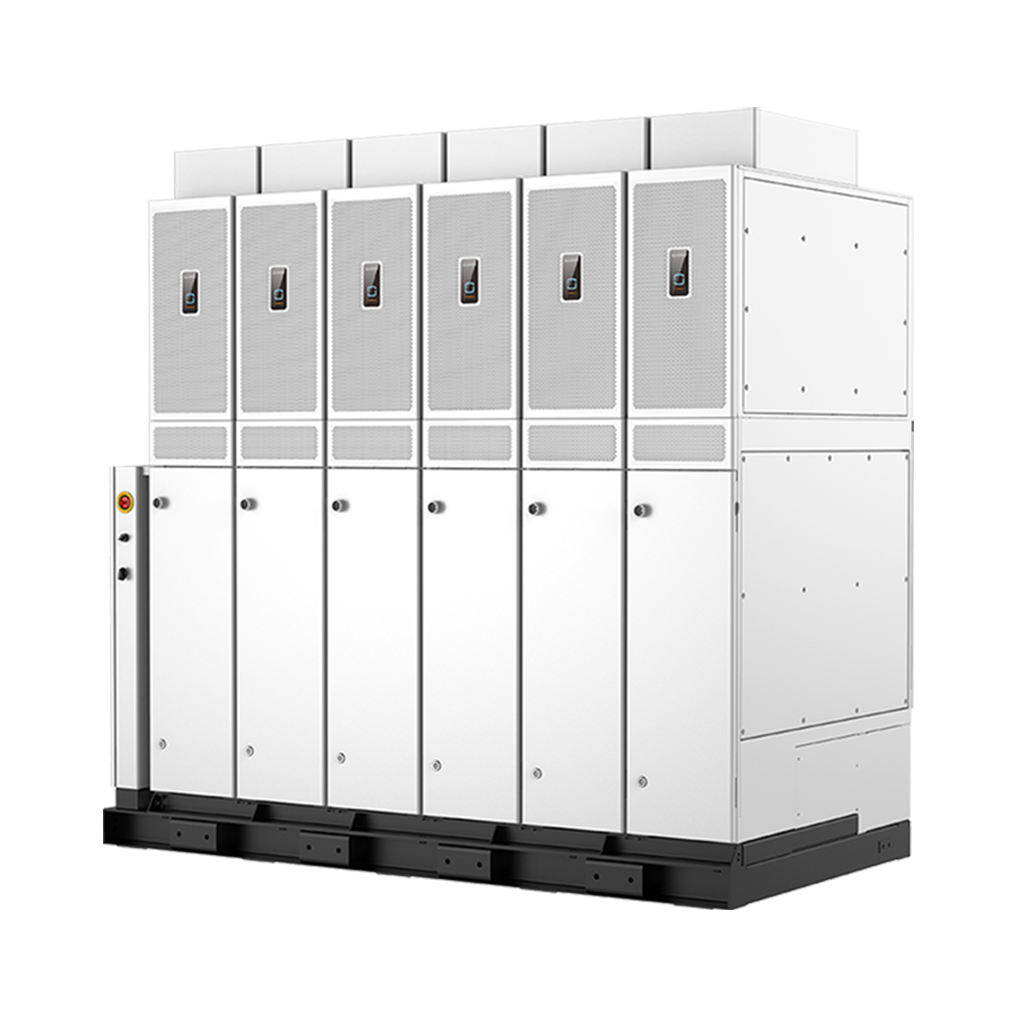
Now we get technical. A modular inverter system breaks the plant into discrete, swappable modules with local MPPT and distributed thermal paths, rather than one big centralized DC bus that’s a single failure domain. I ran comparative load tests in October 2021 on a retrofit project in Los Angeles — swapping a 250 kW central inverter for a stack of 4 × 62.5 kW modules. The modular setup cut mean-time-to-repair from 10 hours to under 1.5 hours (measured), and AC coupling during service kept revenue flowing. Those are numbers I trust because I logged them while on-site.
From a technical standpoint, modular units simplify commissioning: each module can be commissioned and calibrated per PV string, reducing interdependence. They also let you scale capacity in bite-sized increments and standardize spare parts. I’ll be straight with you — modular systems aren’t magic; they trade a bit more upfront engineering for dramatically easier operations. Compare thermal profiles, inverter topology resiliency, and service logistics — that’s where modular wins if you value uptime and predictable O&M costs. (Side note: installers love the light racks.)
What’s Next?
So where does that leave buyers and designers? I summarize the move-forward logic in three practical metrics you can use when vetting solutions: 1) Serviceability — mean-time-to-repair and module swap time, 2) Granularity — module size relative to site scale (smaller is often better), 3) Operational continuity — ability to maintain production during maintenance. I’d also watch for real MPPT channel isolation and clear DC bus management in specs — those matter.
I speak from projects, field tests, and late-night troubleshooting — we cut downtime, simplified spare inventories, and reduced on-site labor by adopting modular patterns. Final thought: if you want to scale without the hustle, pick systems designed for swap-and-go. Trust me — I’ve seen the receipts. sungrow
