
Getting arrested can be a stressful and confusing experience for an individual and their family. One of the first concerns after an arrest is understanding how to secure release from jail while waiting for the next court hearing. However, jail release procedures can involve several steps, including bail determination, paperwork, payment arrangements, and communication with jail officials. 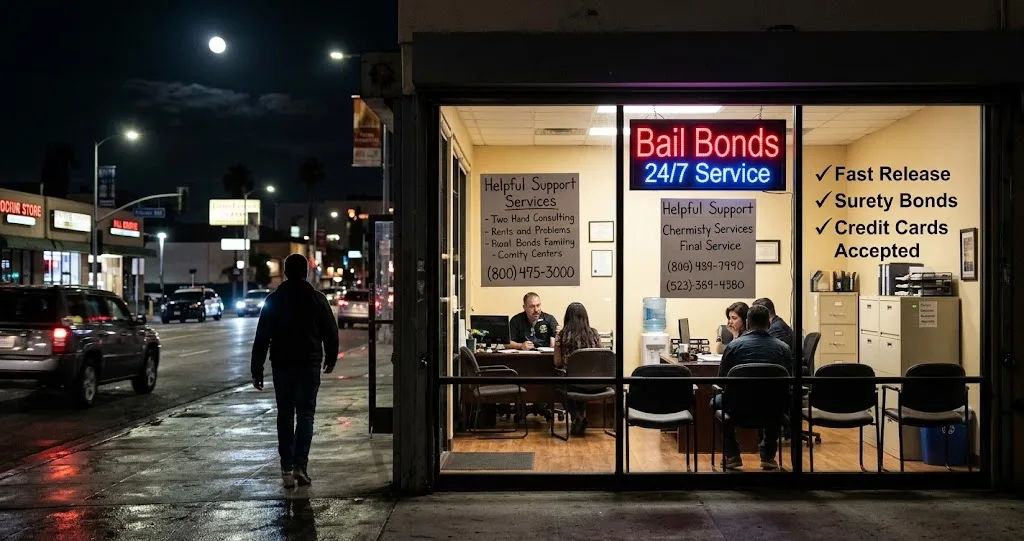 This is where understanding available bail services becomes important.
When someone is arrested outside regular business hours, finding assistance can become even more challenging. Families may not know whom to contact, what information to provide, or how long the release process might take. Fortunately, bail bonds 24/7 services are designed to provide assistance at any time, including evenings, weekends, and holidays.
These services can help eligible individuals arrange a bail bond when they cannot afford to pay the full bail amount themselves. Understanding how these services work, what they cover, and what limitations may apply can help families make informed decisions during a difficult situation.
How Bail Bonds Work
Before exploring around-the-clock bail assistance, it is important to understand the basic purpose of bail.
Bail is a financial arrangement that allows an eligible defendant to leave custody while their criminal case continues through the court system. The court establishes conditions intended to encourage the defendant to attend required hearings and follow applicable release requirements.
The amount of bail depends on several factors, including:
-
The nature and seriousness of the alleged offense.
-
The defendant's criminal history.
-
The person's likelihood of appearing in court.
-
Public safety considerations.
-
Local laws and court procedures.
-
Any applicable release restrictions.
Not every arrested person receives the same bail conditions. Some individuals may qualify for release without paying money, while others may need to satisfy financial or other court requirements.
What Is a Bail Bond?
A bail bond is a financial guarantee arranged through a licensed bail bond company or agent where this service is legally permitted.
Instead of paying the entire bail amount directly to the court, a defendant or another responsible person may pay a fee to the bond company. The company then guarantees the required amount under the applicable agreement.
The fee is generally called a bail bond premium. It is usually nonrefundable, even when the defendant attends all required court hearings.
The exact percentage, payment arrangements, and legal responsibilities depend on local regulations.
Who Is Involved in the Bail Process?
Several parties may participate in arranging a release:
The defendant: The person who has been arrested and is seeking release.
The court: The authority responsible for establishing bail conditions or approving release arrangements.
The bail bond agent: A licensed professional who arranges a bond where legally permitted.
The jail or detention facility: The institution responsible for processing the defendant's release after receiving the necessary authorization.
Understanding these roles makes it easier to recognize what a bail service can and cannot accomplish.
Can Bail Bonds 24/7 Help With Jail Release?
Yes, around-the-clock bail bonds 24/7 services can help eligible defendants and their families arrange release outside normal business hours.
Arrests do not happen according to a convenient schedule. Someone might be taken into custody late at night, early in the morning, during a weekend, or on a public holiday.
Traditional businesses may be closed during these periods, making it difficult for families to find assistance.
A 24-hour bail bond provider offers access to information and assistance regardless of the time.
However, contacting a provider does not automatically guarantee immediate release. The defendant must qualify for bail, and all applicable court and detention facility requirements must be satisfied.
Assistance During Nights and Weekends
One of the main benefits of a 24-hour service is accessibility.
Families can contact a provider when an arrest occurs outside regular business hours. Depending on the circumstances, an agent may explain the available options, discuss fees, and identify the documents needed to arrange a bond.
This can reduce uncertainty and help families understand the next steps.
For example, if someone is arrested on a Saturday night, their relatives may be able to contact an available bail agent rather than waiting until Monday morning.
Nevertheless, jail processing schedules and court availability can affect how quickly a release takes place.
Help During Public Holidays
Public holidays can create additional challenges because government offices and courts may operate with limited schedules.
A 24-hour bail service may still answer calls and explain the process.
However, its availability does not mean that every court or detention facility will process paperwork immediately.
Families should ask whether the relevant facility processes releases during holidays and whether any additional requirements could delay the process.
How the 24-Hour Bail Bond Process Works
Although procedures differ between jurisdictions, the general process usually follows several stages.
1. Confirming the Arrest and Detention Location
The first step is confirming that the individual has actually been arrested and identifying the detention facility.
Families should obtain accurate information about the person's identity and location.
Important details may include:
-
Full legal name.
-
Date of birth.
-
Name of the detention facility.
-
Booking number, if available.
-
Arresting jurisdiction.
-
Information about the charges, if officially available.
Accurate information helps prevent confusion and allows the relevant parties to identify the correct case.
2. Checking Bail Eligibility
After confirming the detention details, the next step is determining whether the person is eligible for bail.
Not everyone can be released through a standard bail bond.
Some individuals may be held under a court order, have an outstanding warrant, or face other legal restrictions.
A bail agent may help explain the available financial arrangements, but the court or relevant legal authority determines the applicable release conditions.
3. Understanding the Bail Amount
The bail amount is an important part of the process.
A family should confirm the official amount and understand whether the court permits a commercial bail bond.
The amount may depend on the alleged offense, previous court history, and other legal considerations.
If the bail amount is unaffordable, relatives can ask whether alternative release arrangements are available under local law.
4. Reviewing the Bail Bond Agreement
Before entering an agreement, the responsible person should carefully review its terms.
These may include:
-
The required premium.
-
Additional permitted charges.
-
Payment responsibilities.
-
Collateral requirements, if applicable.
-
Responsibilities of the defendant.
-
Obligations of any co-signer.
-
Conditions that could result in financial liability.
A reputable provider should explain the agreement clearly.
No one should sign a financial contract without understanding its terms.
5. Processing the Required Paperwork
Once the agreement is completed and the applicable financial requirements are satisfied, the bond company submits the necessary documents to the relevant authority.
The paperwork must meet the requirements of the court and detention facility.
Errors, missing information, or additional legal restrictions can cause delays.
6. Waiting for Jail Processing
After the required authorization is received, jail officials process the release.
The time required varies depending on the facility's workload, administrative procedures, and the defendant's legal circumstances.
Even when all financial arrangements have been completed, the release may not happen immediately.
What Makes Bail Bonds 24/7 Services Useful?
Around-the-clock availability can provide several practical benefits to defendants and their families.
Access to Assistance at Any Time
The most obvious advantage is the ability to obtain information outside ordinary working hours.
Families do not have to rely entirely on businesses that operate only during the day.
They can contact an available provider to discuss the process and learn which steps may be necessary.
Reduced Confusion During Emergencies
An arrest often creates uncertainty.
Family members may have questions about the bail amount, required documents, financial responsibilities, and release procedures.
An experienced bail professional can explain the general process and identify the information needed to proceed.
This guidance can help families avoid unnecessary misunderstandings.
Flexible Communication
Many providers offer telephone assistance and other communication options.
This can be particularly useful when relatives live far from the detention facility or cannot visit the office immediately.
However, the availability of remote services depends on the provider and local legal requirements.
Assistance With Financial Arrangements
Some licensed providers offer payment arrangements where permitted.
These arrangements may help eligible families manage the initial financial burden.
However, payment plans are not guaranteed.
Applicants should ask about interest, fees, installment requirements, and possible penalties before agreeing to any financial arrangement.
How Long Does Jail Release Take?
One of the most common questions families ask is how quickly someone can leave jail after bail has been arranged.
There is no universal answer.
Some releases may be completed within a few hours, while others can take considerably longer.
The timeframe depends on several factors.
Jail Booking Procedures
Before release can occur, the detention facility usually completes its booking procedures.
These may include identity verification, record checks, fingerprinting, photographs, and documentation.
If these procedures are still underway, the release process may need to wait.
Court Authorization
Some cases require a judge or other authorized official to establish or approve release conditions.
If a hearing is necessary, the timing of that hearing can affect the overall process.
Facility Workload
Busy detention facilities may process many arrests and releases simultaneously.
Staff availability, administrative workload, and internal procedures can influence waiting times.
Additional Legal Holds
An individual may have another outstanding warrant, an immigration-related hold, or a separate court order.
These issues can prevent release even when bail has been arranged for the current case.
For this reason, families should avoid relying on guaranteed release times.
What Information Is Needed to Arrange a Bail Bond?
Providing accurate information can make communication with a bail bond company more straightforward.
Although requirements vary, the following details may be requested.
Defendant Information
The provider may need the defendant's full legal name, date of birth, and detention location.
The booking number can also help identify the correct record.
Case Information
Details about the charges and official bail amount may be necessary.
Families should rely on verified information rather than assumptions or unofficial statements.
Co-Signer Information
Some bail bond agreements require a financially responsible co-signer.
Depending on local regulations, this person may need to provide identification, contact information, and financial details.
The co-signer should understand that signing an agreement can create serious financial obligations.
Payment Information
The provider should explain the accepted payment methods and any applicable charges.
Families should request written documentation showing the financial terms.
How to Choose a Reliable 24-Hour Bail Bond Provider
Choosing a provider requires more than finding a company that answers the telephone.
Financial agreements and legal responsibilities can have long-term consequences, so it is important to evaluate the provider carefully.
Verify Licensing
Start by checking whether the company and agent are properly licensed in the relevant jurisdiction.
Bail bond regulations differ between states and countries.
A provider should be able to explain its licensing status and identify the regulatory authority responsible for its services.
Look for Transparent Pricing
A trustworthy provider should explain its fees before asking anyone to sign an agreement.
Ask about the premium, possible additional charges, collateral, and payment requirements.
Avoid providers that make unclear promises or refuse to provide written terms.
Check Experience and Reputation
Look for information about the company's experience and professional reputation.
Customer feedback may help identify patterns involving communication, transparency, and customer service.
However, online reviews should not replace independent licensing checks.
Ask About Availability
A business advertising 24-hour assistance should explain whether an agent is available throughout the night, on weekends, and during holidays.
Ask whether assistance is available for the specific detention facility involved.
Review the Contract Carefully
Never assume that all bail bond agreements contain identical conditions.
Read the contract, ask questions, and request clarification about unfamiliar terms.
If the agreement involves significant financial obligations, consider seeking independent legal advice.
What Happens After Someone Is Released on Bail?
Getting out of jail does not mean that the criminal case has ended.
The defendant must continue following the conditions established by the court.
These responsibilities can be important for both the legal case and the financial agreement.
Attend All Court Hearings
The defendant must appear at every required hearing unless the court formally changes the requirement.
Missing a court date can result in serious legal consequences.
Depending on the circumstances, the court may issue a warrant or revoke release privileges.
Follow Release Conditions
Some defendants may be required to follow additional restrictions.
These could include travel limitations, restrictions on contacting certain individuals, or other court-approved conditions.
The defendant should understand and follow every applicable requirement.
Maintain Communication
The defendant should remain in contact with their lawyer and comply with reasonable communication requirements under the bail agreement.
Any changes in contact details or other relevant circumstances should be addressed according to the contract and legal instructions.
Financial Responsibilities
A bail bond premium is generally not refundable simply because the case ends or the defendant attends court.
If collateral or a co-signer is involved, the agreement may create additional obligations.
The responsible parties should understand when and how those obligations end.
Common Misunderstandings About 24-Hour Bail Services
Families sometimes have incorrect expectations about what a bail bond company can accomplish.
Understanding these misconceptions can help prevent disappointment.
Myth 1: A 24-Hour Service Guarantees Immediate Release
Reality: A company may accept calls at any time, but it cannot control every part of the court or jail process.
Administrative delays, legal holds, and court authorization requirements can affect release.
Myth 2: Anyone Can Be Released by Paying Bail
Reality: Bail eligibility depends on the applicable legal system and the circumstances of the case.
Some individuals may be denied bail or subject to other release restrictions.
Myth 3: Bail Bond Fees Are Always Refundable
Reality: Commercial bail bond premiums are generally nonrefundable under applicable agreements and regulations.
Families should confirm the exact financial terms before making payment.
Myth 4: The Bail Company Can Dismiss Criminal Charges
Reality: A bail bond provider does not have the authority to dismiss charges or decide the outcome of a criminal case.
Those matters are handled through the legal system.
Myth 5: Every Bail Bond Company Offers the Same Services
Reality: Providers can differ in licensing, availability, payment arrangements, communication methods, and geographic coverage.
Researching these differences is important.
Can Families Arrange Bail Without a Bail Bond Company?
In some jurisdictions, families may have alternatives to commercial bail bonds.
The available options depend on local law and the court's decision.
Paying Cash Bail
Where permitted, a defendant or another responsible person may pay the required bail amount directly to the court.
The court determines whether the payment satisfies the release conditions.
Refund arrangements depend on local rules, case outcomes, and compliance with court requirements.
Release on Recognizance
Some defendants may qualify for release based on a promise to attend future court proceedings.
This arrangement may not require a financial payment.
Eligibility depends on the relevant authority's assessment and applicable legal standards.
Other Release Conditions
Courts may authorize different types of release arrangements, including supervised release or other nonfinancial conditions.
An attorney can help explain which options may apply to a particular case.
Important Legal and Financial Considerations
Before using a bail bond service, families should understand that the arrangement involves legal and financial responsibilities.
A co-signer may become responsible for certain amounts if the defendant violates the agreement.
Collateral may also be at risk under the contract if the defendant fails to meet applicable obligations.
The exact consequences depend on the agreement and local regulations.
It is also important to distinguish between a bail bond company's services and the services of a criminal defense attorney.
A bail agent helps arrange a financial guarantee where legally permitted. An attorney provides legal advice, represents the defendant, and helps address the criminal case.
These are different professional roles.
If someone has been arrested, obtaining advice from a qualified local attorney can help clarify their rights and available options.
Conclusion
Understanding the jail release process can help families make better decisions when someone is arrested unexpectedly. The process may involve several stages, including confirming the detention location, checking bail eligibility, reviewing financial requirements, completing paperwork, and waiting for official release authorization.
Bail bonds 24/7 services can provide valuable assistance when an arrest occurs outside regular business hours. Their availability allows families to obtain information, discuss financial arrangements, and understand the steps involved without necessarily waiting for the next business day.
However, it is important to remember that 24-hour availability does not guarantee immediate release. The defendant must meet the applicable legal requirements, and the detention facility must complete its procedures. Outstanding warrants, additional court orders, and administrative delays can also affect the outcome.
Choosing a reliable and properly licensed provider is equally important. Families should carefully review fees, payment arrangements, collateral requirements, and co-signer responsibilities before entering an agreement. They should also understand that a bail bond company cannot dismiss criminal charges or replace the legal advice of a qualified attorney.
Ultimately, being informed is one of the most effective ways to handle an unexpected arrest. By understanding how around-the-clock bail assistance works and what limitations apply, families can approach the jail release process with greater confidence, realistic expectations, and a clearer understanding of their responsibilities.
